
Ever heard of Shared Lives and thought, ‘That sounds lovely, but I couldn’t do that’? Maybe you think you need experience working in care, a big house or loads of spare time. Or perhaps you’re worried about what supporting someone would actually involve.
Well, you might be surprised! We’ve been busting some of the biggest myths about Shared Lives, and it turns out there are quite a few things people don’t know.
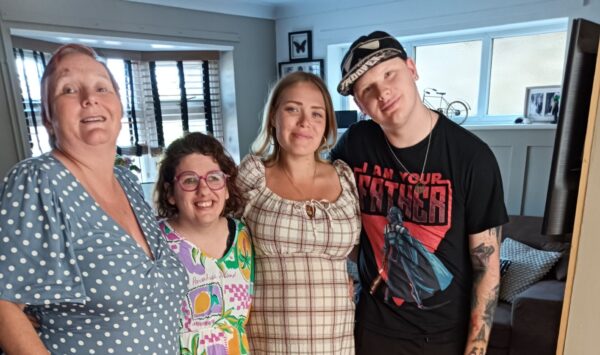
First things first, what is Shared Lives?
Shared Lives supports adults who need some extra help to live their lives. This can include people with learning disabilities, autism, mental health challenges, physical disabilities or other support needs.
People are matched with an approved Shared Lives carer who supports them in their home and community. That might mean living together, spending time together during the day or staying for short breaks.
Shared Lives is about sharing everyday life, building confidence and helping people become more independent. So, let’s clear up a few myths!
'I don't have the experience or the right kind of home'
You don’t need to have worked in care before, and you certainly don’t need an Instagram-perfect home. We’re looking for people who are patient, caring and can make someone feel welcome and included. If someone stays overnight, you’ll need a spare bedroom, but you don’t need a huge house or fancy furniture.
And there’s no such thing as a typical Shared Lives carer. Our carers come from all sorts of backgrounds, with different families, jobs and life experiences. We’ll provide training and support to help you along the way.
'I'd have to give up my job and normal life'
You don’t always have to give up your job, we have lots of carers who also work around their caring responsibilities, it all depends on the person you are supporting and the level of support you are providing. Some carers support someone who lives with them long-term, others offer short breaks or day support, which may fit around other commitments.
And Shared Lives isn’t about putting your life on hold. It’s about sharing it. Walking the dog, cooking tea, going shopping or watching telly together. Sometimes the ordinary things you do every day can make the biggest difference to someone else.
'I'd have to do everything for someone, including lots of personal care'
Not at all, Shared Lives is about helping people do more for themselves, not taking over their lives. You might help someone learn to cook, use public transport, make friends or build their confidence.
And while some people need personal care, others need very little. Sometimes it can be as simple as handing someone their toothbrush and staying nearby while they brush their teeth. You can talk to us about the level of support you’re comfortable offering, and we’ll take that into account when finding the right match.
'What if I'm matched with someone who isn't right for me?'
We don’t just match you with anyone, getting to know each other is a really important part of Shared Lives. We’ll look at personalities, interests, lifestyles and support needs to help find a match that works for everyone.
You’ll have the chance to get to know the person before making any decisions, and you’ll have a say too. Your safety, your home and your family matter. And once you’re approved, you won’t be left to get on with things alone. Our Shared Lives team will be there to support you.
'I can't become a carer because I have children or I'm already fostering'
Having children doesn’t automatically rule you out. Neither does being a foster parent. In fact, we’ve got Shared Lives families where caring has been passed down through generations!
One of our carers grew up with someone supported by his nan. When his nan retired, his mum became their carer. And when his mum retired, he took over. Three generations of the same family supporting one person. How lovely is that? You can read about them here.
Shared Lives is different from fostering, but if you’re already a foster parent, we can talk through your circumstances and what might work safely for everyone.
Also, a lot of foster families choose Shared Lives when their young person reaches 16 or 18, this is something we call Move On Together. This simply means that instead of a young person leaving their foster family when they become an adult, they stay together and the foster parent then becomes their Shared Lives carer. It’s an amazing way of keeping people together.
'Isn't Shared Lives just fostering for adults?'
Not quite, they’re similar, but different. You don’t become a foster parent. Shared Lives carers support adults who need some extra help to live the life they want. This can include people with learning disabilities, autism, mental health challenges, physical disabilities or other support needs.
Someone might live with their Shared Lives carer, stay for short breaks or spend time with them during the day. It’s not like a foster parent role, more of a friend or family role. The support you give could be about building confidence, learning new skills, getting out and about, meeting people or becoming more independent.
Every arrangement is different because every person is different.
Could Shared Lives be for you?
You don’t need to have all the answers before getting in touch. You might have the right skills, the right home and the right attitude without even realising it.
And if there’s something you’re unsure about, just ask us. There’s no such thing as a silly question!
Fancy finding out more? Get in touch with your local PSS Shared Lives team for a friendly chat about becoming a Shared Lives carer.